3 minutes read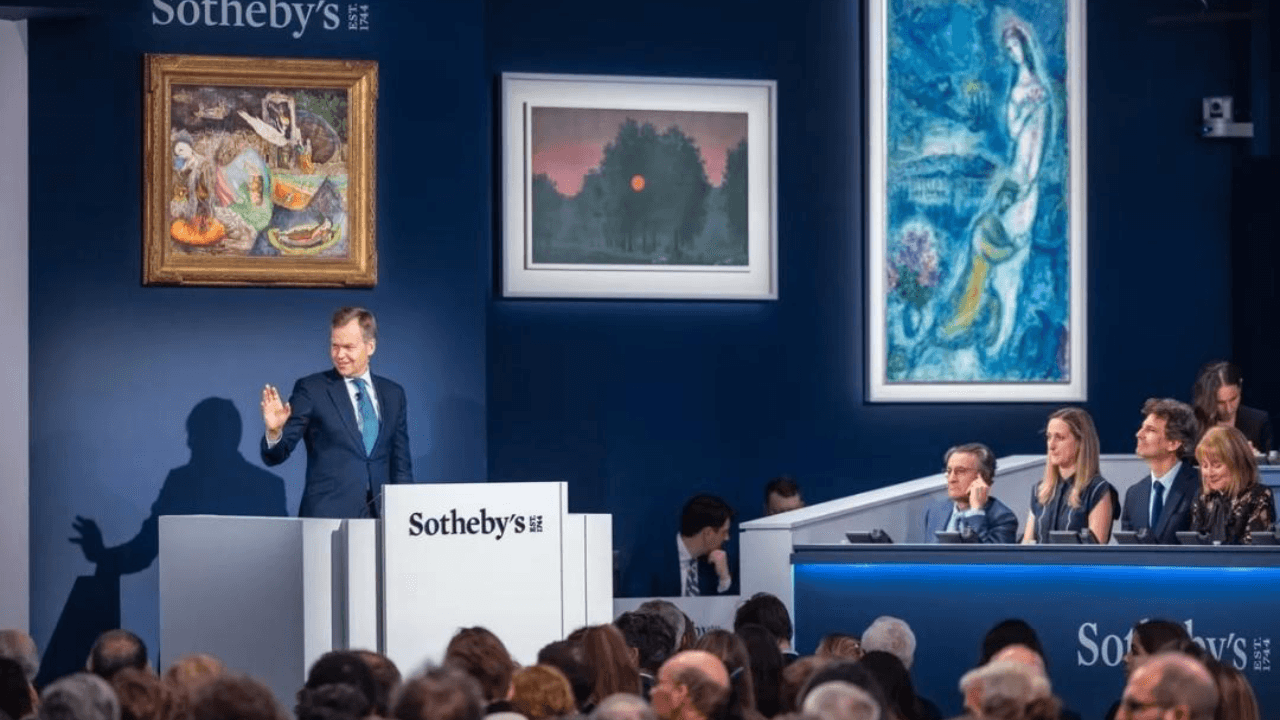
Knowing how to evaluate an artist’s potential is one of the most valuable skills a collector can develop. It’s not about guesswork, but about reading signals: gallery representation, museum exhibitions, auction results, critical coverage, and more. Platforms like Collecto use structured methods to measure an artist’s trajectory before adding them to their collection.
Primary vs. secondary market presence
Emerging artists mainly sell in the primary market via galleries. Once their works start circulating in the secondary market—through auctions or resales—it’s a strong indicator of growing demand. Artprice data shows that over 70% of blue-chip art sales in 2023 occurred in the secondary market. A resale above the original purchase price demonstrates true market confidence.
Representation, exhibitions and public collections
An artist’s gallery representation and institutional presence say a lot. Being included in Art Basel, Frieze, or solo museum shows gives them credibility and visibility. Even local museum exhibitions or acquisitions into public collections build trust. Collecto selects artists with clear curatorial paths and partnerships with galleries that actively promote and resell their works.
Awards, criticism and publications
Awards and critical recognition are key validation tools. Press coverage, inclusion in major art magazines, and monographs all raise visibility. In Italy, prizes like the Cairo Prize or MAXXI Bulgari Prize have launched notable careers. Collecto includes this data in every artist profile to support informed decision-making.
Auction results and price tracking
For established artists—or those transitioning into the international market—monitoring auction performance is essential. Significant hammer prices, consistent sales growth, and repeated market presence are all strong indicators of collectability. Platforms like Artprice, Artnet, and MutualArt offer transparent data to analyze pricing trends, lot frequency, and market liquidity over time.
Auction houses such as Christie’s, Sotheby’s, Phillips, and respected national houses like Aste Bolaffi or Il Ponte play a key role in this ecosystem. They organize public sales where collectors and investors bid competitively on curated artworks. Each lot is catalogued, assessed by specialists, and presented with published estimates and final results. A successful auction sale not only reflects an artwork’s current market value, but also confirms the artist’s standing in the secondary market through a transparent, global process.
Vision and diversification
No single metric predicts success. But using a system of data, curation, and partner insights allows Collecto and its collectors to reduce risk and build smart collections. Balancing blue-chip names with carefully chosen emerging artists creates resilience and opportunity.
Evaluating an artist’s collectability isn’t a matter of luck—it’s a process grounded in research and experience. With the right resources and a clear framework, collectors can make better decisions and build collections that appreciate in meaning and market value.