7 minutes read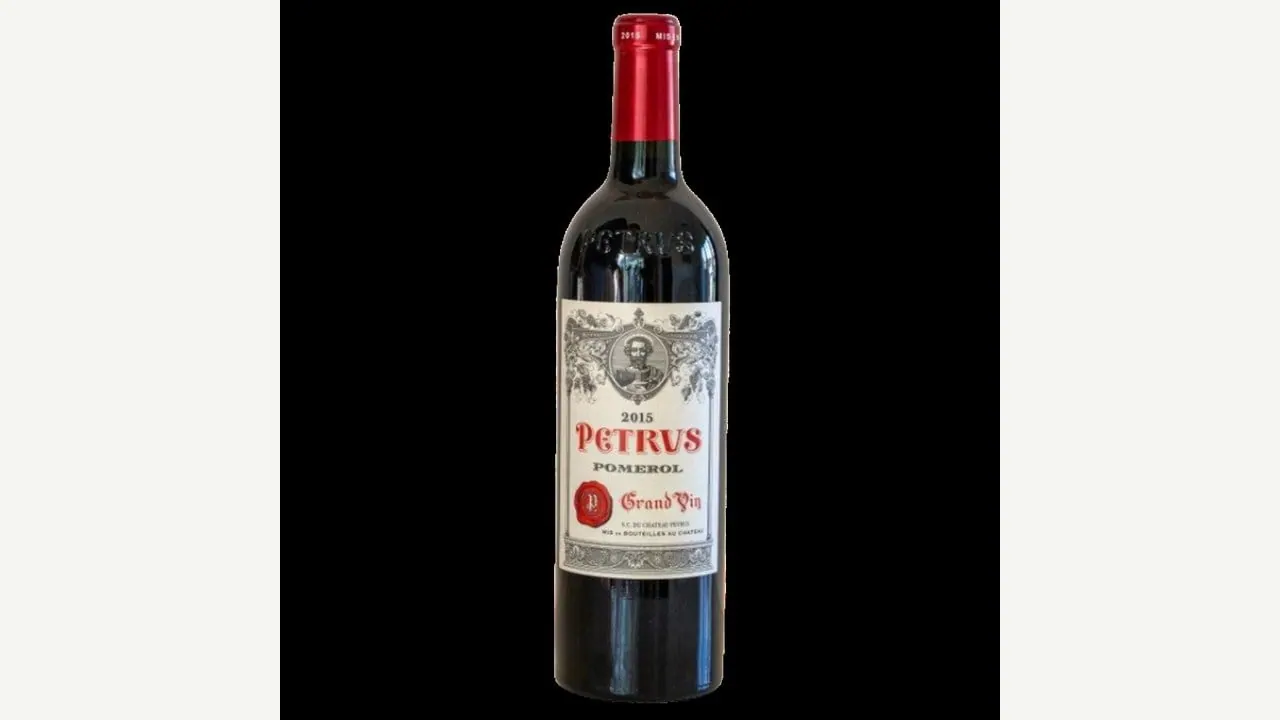
Château Pétrus 2015, Pomerol: the 11-hectare vineyard and the vintage that received the most perfect scores from the international collectible wine critics.
Château Pétrus 2015 is one of the most frequently cited names when discussing great Pomerols, and the 2015 vintage is among those that have solidified this reputation. For those following wine collecting, it is a label that combines a very particular vineyard history with a vintage that critics have judged among the most successful of the decade.
What is Château Pétrus 2015
Château Pétrus originates from a vineyard of just 11.4 hectares on the Pomerol plateau, a small surface area even by Bordeaux standards. The distinctive feature is the soil: a dense, iron-rich clay, locally called “crasse de fer,” of the montmorillonite type, which retains and releases water in small quantities and differs sharply from the gravelly soils of neighboring vineyards. Since 2010, the vineyard has been 100% planted with Merlot, following the uprooting of the half-hectare once dedicated to Cabernet Franc. The average age of the vines exceeds 45 years, a figure often associated in the wine world with deeper roots and more contained yields. Production remains deliberately limited, at around 30,000 bottles per year, and the estate never produces a second wine: every vintage bearing the Pétrus name is, by choice, the primary selection.
The history of the estate also illustrates how this reputation was built. Pomerol, unlike Saint-Émilion or the Médoc, has never had an official classification of its châteaux, yet Pétrus is commonly cited as the benchmark wine for the entire denomination. The turning point came in 1945, when the owner at the time granted the Jean-Pierre Moueix négociant house exclusive marketing rights: this marked the beginning of the label’s international growth. Since 2003, the property has been in the hands of Jean-François Moueix, son of the maison’s founder.
Why Château Pétrus 2015 is a Benchmark for Collectors
The 2015 vintage arrived at the end of a season that Bordeaux observers have described as nearly ideal for Pomerol: a mild winter, a successful flowering, and a dry summer interrupted by August rains that regenerated the vines before the harvest. The red grape harvest took place in a dry window between September 18 and October 2, with conditions close to ideal for full phenolic ripeness. The result was recognized by multiple voices in international criticism: Wine Enthusiast awarded 100 out of 100 points, and the same maximum rating came, from different quarters, from other industry observers covering Bordeaux. It is rare for a vintage to garner multiple perfect scores in parallel, and it is one of the reasons why the 2015 Pétrus is often cited as a point of reference when discussing this estate.
The broader context helps explain why this vintage has resonated so strongly. 2015 arrived after a series of Bordeaux vintages judged to be less brilliant, between 2011 and 2014, and marked the beginning of a phase that industry observers consider among the longest sequences of great vintages in recent Bordeaux history. For Pomerol in particular, the seasonal conditions—regular flowering, a dry summer corrected by August rains, and a harvest in a stable window—allowed the grapes to reach a phenolic maturity that critics have defined as close to ideal.
What to Look for in a Bottle of Château Pétrus 2015
Tasting notes published by critics describe a wine built on black and blue fruits—blackberry, plum, blackcurrant—alongside spices, licorice, violet, and earthy notes, with hints of truffle, black olives, and Sichuan pepper in some more extensive descriptions. The tannins are described as velvety, with a remarkable finish. It is a profile that reflects its soil of origin: the clays of Pomerol tend to produce denser and more structured wines compared to the gravelly soils of the Rive Gauche.
Another element emphasized by critics is its aging potential: published notes indicate an expected evolution over several decades, with the possibility of cellaring the bottle much longer than the average Bordeaux vintage. For those approaching this label, it is worth observing precisely this balance between power and precision, qualities that critics have identified as the hallmark of the 2015 vintage.
How to Purchase Shares of Château Pétrus 2015 on Collecto
On Collecto, Château Pétrus 2015 can be purchased in shares: there is no need to acquire the entire bottle to own a portion of an asset that would otherwise remain out of reach for most enthusiasts. The platform manages the custody and traceability of the asset, while the share purchaser remains the owner of the corresponding portion, with the ability to follow its progress within the catalog over time. It is a different way to approach a label like this: not as a single, indivisible purchase, but as shared participation in an asset that critics have already framed as one of the pinnacles of the vintage. Find out more about how Collecto works and consult the full catalog on Collecto.
If you follow wine collecting, Château Pétrus 2015 remains a name to watch.
Discover Château Pétrus 2015 on Collecto
On Collecto, you can purchase shares of Château Pétrus 2015 starting from €50, gaining ownership of a portion of one of the most awarded labels of the vintage without having to buy the entire bottle.
Frequently Asked Questions about Château Pétrus 2015
What is the blend of Château Pétrus 2015?
Since 2010, the vineyard has been 100% Merlot, following the uprooting of the half-hectare once dedicated to Cabernet Franc.
How large is the Château Pétrus vineyard?
The vineyard covers 11.4 hectares on the Pomerol plateau, a very limited area compared to other major Bordeaux estates.
Why is the soil of Château Pétrus considered unique?
The soil is a dense, iron-rich clay of the montmorillonite type, which retains water in small quantities and differs from the more gravelly soils of the surrounding vineyards.
What scores did the 2015 vintage of Château Pétrus receive?
Multiple international critical publications, including Wine Enthusiast, have awarded this vintage the maximum score of 100 out of 100 points.
How many bottles does Château Pétrus produce each year?
Average production is approximately 30,000 bottles per year, and the estate never produces a second wine.