2 minutes read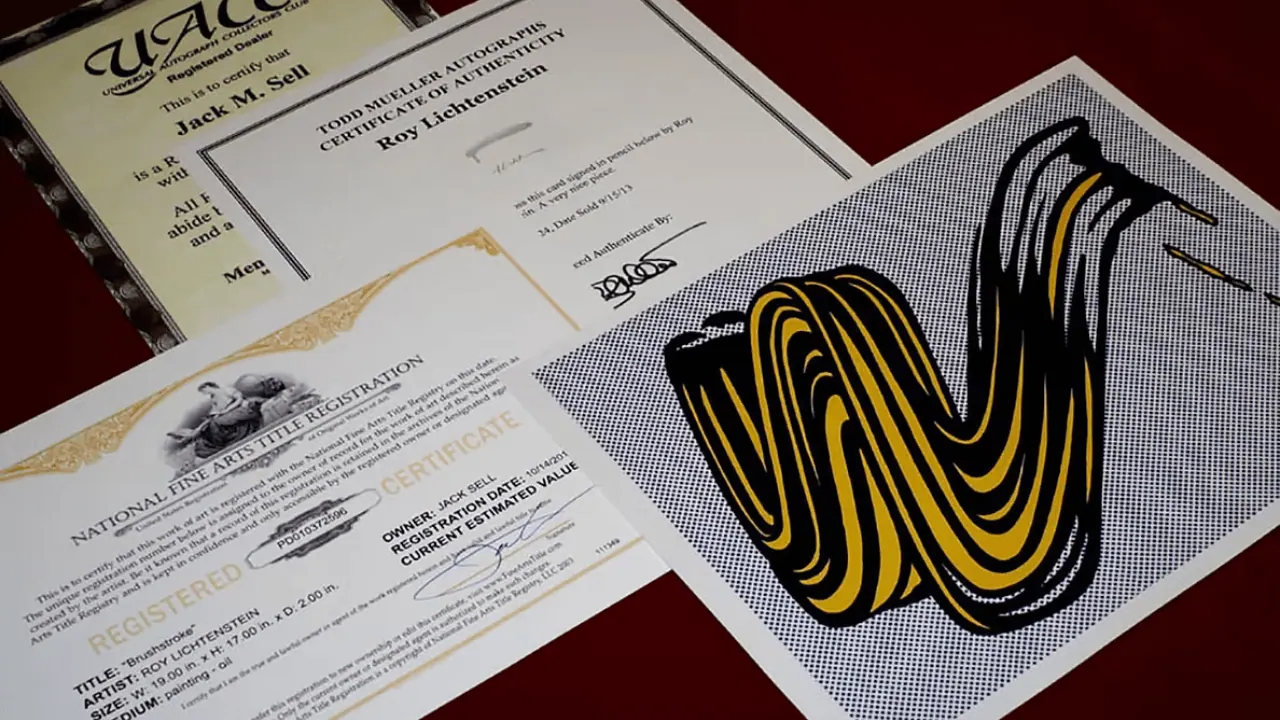
In the contemporary art world, authenticity and traceability are not secondary issues—they are the foundation of a trustworthy acquisition. A work may look impeccable, but without a reliable provenance and proper certification, it loses value, resale potential, and institutional appeal. Knowing how to assess an artwork’s documented history is crucial, especially in the secondary market.
Provenance: the full story of a work
Provenance is the documented history of an artwork’s ownership, exhibitions, and sales. The more transparent and verifiable the chain of ownership, the higher the work’s credibility in both collecting and fiscal terms. Collecto, for example, registers each acquisition in its internal archive, verifying documentation before offering the work on its platform.
Certificates of authenticity: not all are equal
The COA (Certificate of Authenticity) proves that the work is genuine. It should be issued by the artist, their foundation, a recognized archive, or the gallery officially representing them. A proper COA includes technical details, a photo of the work, and clear institutional references. Collecto only deals in works accompanied by certified, validated documentation, often checking with official archives before final acquisition.
Beware of vague or irrelevant documents
A purchase receipt, email, or seller’s statement does not equate to authentication. Many frauds originate from incomplete or fabricated paperwork. As confirmed by Focus and Artprice, the absence of a valid certificate is a serious red flag. Always check the authority of the certifying body and consult with the artist’s archive or primary gallery when in doubt.
Archives, publications, and exhibitions matter
Beyond COAs, exhibition history, catalogue publications, and official archive listings all strengthen an artwork’s position in the market. A piece published in a catalogue raisonné or exhibited in a museum gains in cultural and financial value. Collecto includes detailed provenance and document records with each work, giving collectors full visibility before purchase.
Understanding provenance and certification is essential to collecting responsibly. It’s not just about verification—it’s about investing in the artwork’s credibility. With the right tools, and with platforms like Collecto that prioritize transparency and expertise, collectors can build resilient, high-value portfolios grounded in trust.